
Care Home Dining Rooms — Balancing Style and Practicality
Dining rooms in care homes are far more than places to eat they’re central to daily life. A well-designed dining area nurtures not only comfort and routine, but also encourages social connection, dignity and a sense of home. For residents in nursing or residential care settings, mealtimes are meaningful moments. They provide structure, familiar surroundings and the opportunity to engage with others.
When thoughtfully furnished, these spaces can enhance emotional wellbeing and create a welcoming environment for both residents and visitors. It's no surprise that inspectors and families alike often use the dining room as a visual cue to assess the quality of care provided.
In this guide, we’ll explore how the right care home dining furniture can support both the functional needs and aesthetic goals of your space helping residents feel safe, comfortable and cared for.
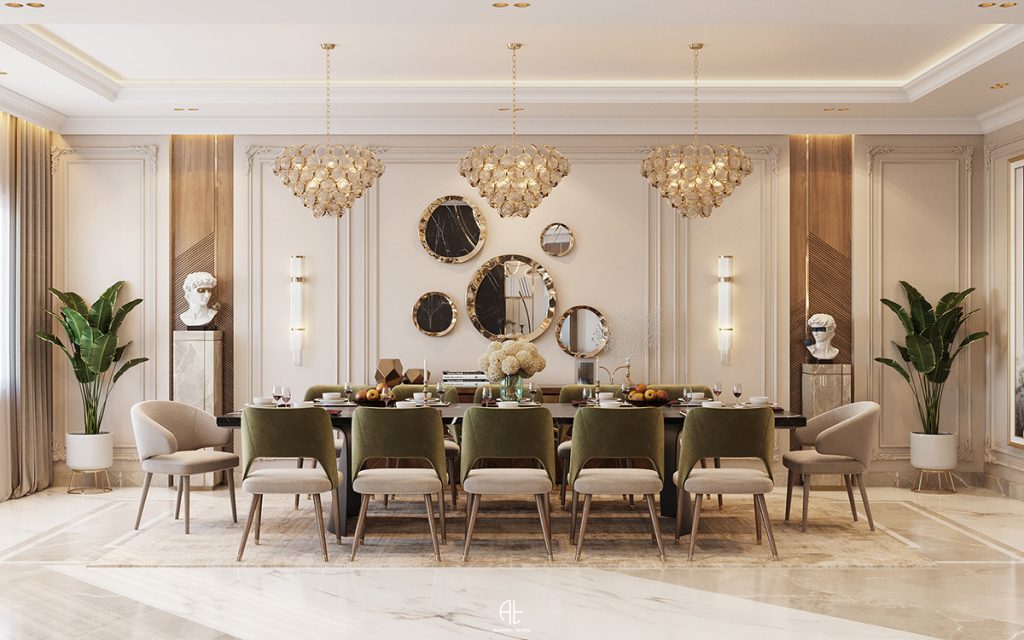
Why Dining Furniture Matters in Care Homes
Dining furniture in care environments plays a pivotal role in shaping the everyday experience for residents. It’s not simply about providing a place to eat — the right setup contributes directly to a person's dignity, wellbeing and quality of life.
Here’s why furniture for care homes is more than functional:
-
Enhances Dignity and Routine: Many residents in nursing homes or residential care thrive on structure. Sitting at a well-set dining table, surrounded by appropriate chairs, reinforces a sense of normalcy and independence.
-
Encourages Social Interaction: A thoughtfully designed dining room can transform mealtimes into social occasions. Comfortable seating and inviting layouts help reduce isolation and promote a sense of community.
-
Creates Positive Impressions: Families and inspectors often assess the care environment visually. High-quality, coordinated care home furniture communicates attention to detail and pride in the living space — which in turn reflects positively on the overall care provided.
-
Improves Practical Functionality: Unlike domestic furniture, care home dining chairs and tables are built to suit the specific needs of older adults — offering greater stability, support and hygiene-conscious finishes.
Key Considerations When Choosing Care Home Dining Furniture
When selecting care home dining furniture, balancing practicality with comfort and safety is essential. Furniture must meet the physical needs of elderly residents while also standing up to daily wear in busy residential or nursing home settings.
Here are the key elements to prioritise:
Infection Control
In care settings, hygiene is paramount. Choose upholstery and surfaces that are:
- Wipeable and easy to sanitise
- Treated with antimicrobial coatings
- Resistant to spills and stains
These materials help reduce the risk of cross-contamination and maintain a clean, safe dining environment.
Mobility & Safety
Residents with limited mobility need stability and support:
- Non-slip feet reduce trip hazards
- Correct seat height promotes safe transfer in and out of chairs
- Smooth edges and corner-free table legs aid safe manoeuvring
Accessibility
Supportive features can make all the difference:
-
Dining chairs with arms (carver chairs) offer leverage when standing
-
Open space beneath tables accommodates wheelchairs
-
Clearly defined colour contrasts help those with visual impairments
Comfort
Dining sessions can be lengthy, so physical comfort matters:
-
Ergonomically shaped chairs support good posture
-
Cushioned padding adds comfort without compromising on hygiene
-
Gently reclined backs and supportive frames reduce fatigue
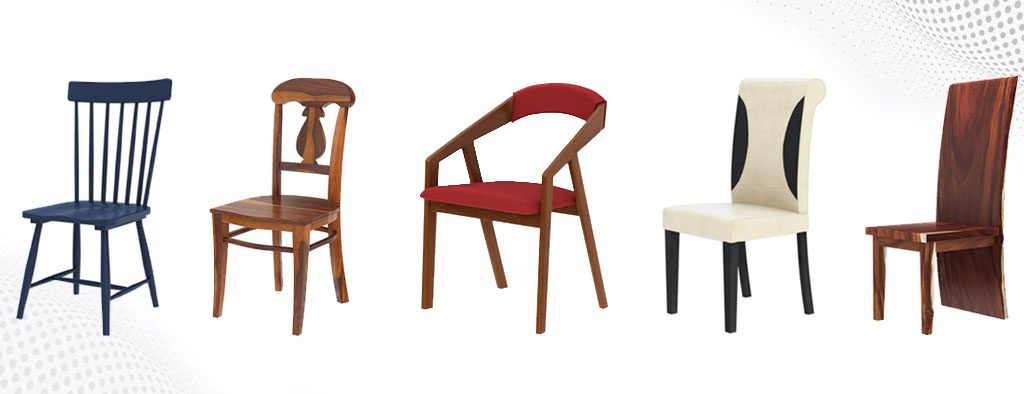
Types of Dining Chairs for Care Environments
Not all chairs are created equal — especially in care settings where user comfort, stability and practicality are non-negotiable. The right dining chair can make mealtimes more enjoyable and support residents in maintaining their independence. Below are the main types used in care homes, each with its own specific benefits.
Standard Dining Chairs
Ideal for residents who are still fairly mobile, standard care home dining chairs offer a streamlined look while providing practical support.
-
Typically feature slightly wider seats for added comfort
-
Built with durable frames that can handle daily use
-
Upholstered in water-resistant fabrics for easy cleaning
-
Non-slip feet reduce the risk of movement during sitting and standing
These chairs blend effortlessly with most furniture ranges, making them a versatile choice for mixed-ability dining rooms.
Armchairs and Carver Chairs
These are the gold standard for residents who require additional support while seated or when getting up from the table.
-
Integrated arms offer leverage for safe and independent standing
-
Supportive carver designs help maintain good posture during meals
-
Reinforced joints and solid wood frames ensure long-lasting stability
These are particularly popular in nursing or residential care homes, where comfort and safety are paramount.
Dining Tables Designed for Residential Care Settings
Choosing the right dining table for a care home is just as important as selecting the right chair. These tables need to accommodate a range of physical needs, promote social interaction and withstand the demands of everyday use in a communal setting.
Here’s what to look for when selecting dining tables for residential care homes:
Table Height and Leg Spacing for Wheelchair Access
Accessibility should never be an afterthought. Tables should:
-
Be at a height that’s comfortable for both seated residents and those using wheelchairs
-
Offer ample legroom underneath without restrictive crossbars
-
Include open-ended designs where needed to allow easy roll-under access
Edge Profiles for Safety
Sharp corners are a hazard, particularly for residents with reduced vision or mobility.
-
Opt for rounded or chamfered edges to prevent bruises or cuts
-
Smooth finishes minimise snagging on clothing or skin
-
Clear, contrasting edges help visually impaired residents identify table boundaries
Durable Surfaces Built for Care Environments
Daily cleaning, spills and heat mean materials matter:
-
Choose laminate or lacquered wood for longevity and easy maintenance
-
Surfaces should be resistant to stains and water damage
-
Tables must meet care home safety standards for hygiene and durability
Shapes and Sizes that Encourage Social Engagement
Shape directly impacts how residents interact during mealtimes:
-
Round or oval tables foster more inclusive conversation
-
Square or rectangular tables are ideal for structured dining setups
-
Choose sizes that suit the room layout while allowing carers to assist easily
Colour Psychology and Resident Wellbeing
Colour has a powerful effect on mood and appetite — particularly in elderly care settings.
-
Soft blues and greens can create a calming, serene atmosphere
-
Warm tones like terracotta or peach may stimulate appetite and make a room feel cosy
-
Avoid stark whites or dull greys, which can feel cold or clinical
Consider adding a pop of colour through upholstery fabrics or feature walls to gently lift the room’s energy.
Coordinated Dining Furniture for a Homely Look
Matching or complementary dining chairs and tables give the room cohesion and comfort:
-
Use wood finishes to create a familiar, home-like feel
-
Choose complementary shapes — for example, rounded chair backs with oval dining tables
-
Incorporate chairs with arms in similar styles to standard models, so seating doesn’t look mismatched
-
It is often quite straightforward to source window dressings that match or complement your dining chair fabrics, helping the whole space feel more coordinated
A well-coordinated furniture range can also make purchasing easier when ordering replacements or expanding your layout.
Material Choices that Balance Cleanability and Design
You can absolutely have both form and function:
-
Water-resistant fabrics in contemporary colours offer comfort and cleanability
-
Solid wood or faux wood frames provide a high-end aesthetic while being easy to maintain
-
Upholstery should meet fire safety regulations and stand up to repeated cleaning
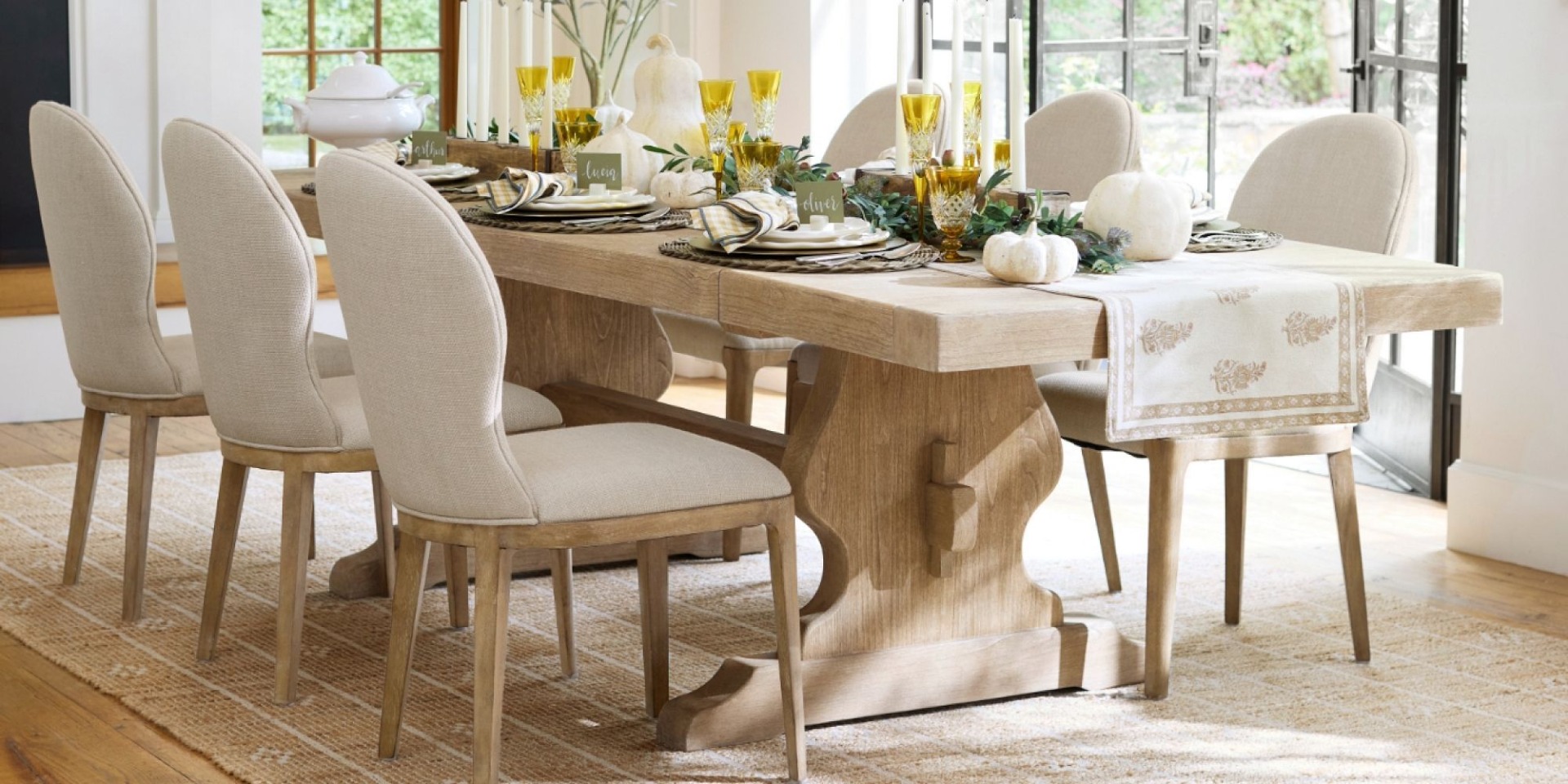
Top Product Features to Look for in Care Home Dining Furniture
When investing in care home dining furniture, it’s crucial to consider not just how it looks — but how well it performs under daily use. The best furniture offers durability, hygiene, comfort and reassurance for both staff and residents.
Here are the essential features to look out for:
Solid Wood Frames for Stability
Furniture with a solid wood frame offers unmatched strength and long-term value:
-
Minimises wobble and wear, even with frequent movement
-
Ideal for supporting residents who lean or push against chairs for balance
-
Gives a traditional, homely appearance that’s visually reassuring
Water-Resistant and Stain-Resistant Fabrics
Spills are inevitable, so your choice of upholstery matters:
-
Opt for fabrics that repel moisture and resist staining
-
Easy-wipe surfaces speed up cleaning without harsh chemicals
-
Consider antimicrobial coatings to support infection control
Fire Retardant Materials for Safety
All care home furniture must meet UK fire safety regulations:
-
Look for labels confirming Crib 5 compliance or BS 7176 standard
-
Materials should resist ignition and slow flame spread
-
Especially important for upholstery used in communal spaces
Warranty and Aftercare Support
Quality doesn’t end at purchase:
-
Choose suppliers that offer a clear warranty on frames, upholstery, and workmanship
-
Ask about aftercare services such as replacement parts or reupholstery options
-
Prioritise furniture ranges that are consistently available for future matching
Leading Suppliers of Care Home Dining Furniture
Choosing the right supplier is just as important as selecting the right product. In the care sector, where safety, comfort and reliability are non-negotiable, working with trusted providers ensures your care home dining furniture meets both regulatory and resident needs.
Final Checklist for Choosing Dining Furniture in Nursing and Residential Homes
Before placing an order, use this practical checklist to ensure your care home dining furniture ticks all the right boxes — for residents, staff, and long-term value. The right setup should feel just like home, while meeting every safety and usability requirement.
Suitability for Elderly and Disabled Users
-
Are chairs the right height with optional arm support?
-
Can tables accommodate wheelchairs with ease?
-
Are seat pads cushioned and ergonomically shaped?
Aesthetic Harmony and Style
-
Do dining chairs and tables coordinate visually?
-
Are the colours warm, welcoming, and dementia-friendly?
-
Does the furniture reflect the comfort of a residential home, rather than a clinical setting?
Hygiene and Safety Standards
-
Is the upholstery water-resistant, stain-resistant, and fire retardant?
-
Are corners rounded and legs stable?
-
Do materials support infection control best practices?
Quality and Durability
-
Is the frame solid and built for long-term use?
-
Is the product backed by a warranty or aftercare service?
-
Are replacement items readily available?
Budgeting for Quality
-
Are you balancing cost with expected lifespan and compliance?
-
Can you mix premium and economy ranges for different rooms?
-
Have you explored bulk discounts or supplier packages?
Creating Dining Spaces That Feel Like Home
Thoughtfully selected care home dining furniture does so much more than fill a room — it sets the tone for daily life. A well-designed dining area supports dignity, encourages social interaction and creates a calm, familiar setting where residents feel comfortable and valued.
By prioritising quality, safety and style, care providers can craft dining spaces that meet regulatory standards and feel like home. Whether you're furnishing a small residential home or a larger nursing home facility, every table, chair and fabric choice contributes to the emotional wellbeing of the people who live and work there.
When style meets practicality, the dining room becomes more than a place to dine — it becomes a space of connection, routine and quiet joy.